
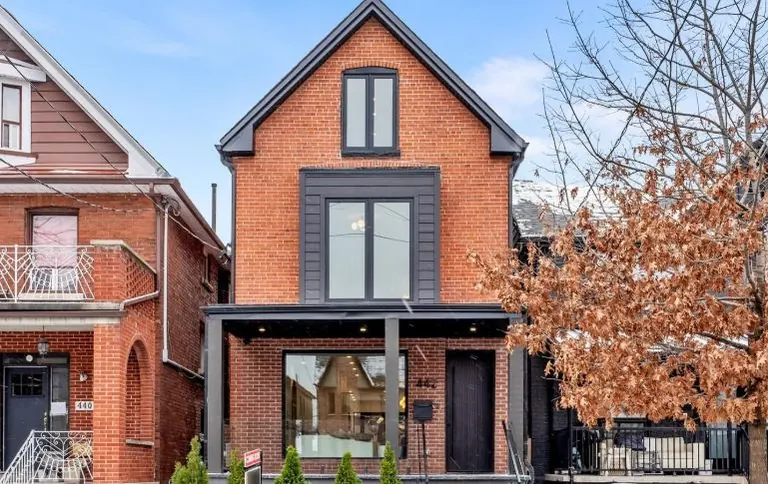
Building or renovating in Toronto? Whether you’re planning a home addition, basement conversion, laneway suite, or a brand new custom home, understanding how to obtain a Toronto building permit is crucial.
You can either file it yourself or you can reach out to any licensed contractors to do it for you.
What Is a Building Permit?
A building permit is an official approval from the City of Toronto that allows you to proceed with construction, renovation, demolition, or change of use on your property. The application is reviewed against applicable requirements, including:
- The Ontario Building Code
- The City of Toronto Zoning Bylaws
- Local planning regulations and safety standards
Failing to get a permit can lead to fines, stop work orders, and costly delays.
Official Toronto Building Permit Page
When Do You Need a Building Permit?
You need a permit if your project includes:
- Building a new home, addition, or laneway/garden suite
- Finishing a basement (creating a secondary suite)
- Removing or altering load bearing walls
- Installing new plumbing, HVAC, or electrical systems
- Changing window or door openings
- Demolishing a structure
You do not usually need a permit for:
- Painting, flooring, or cosmetic finishes
- Replacing existing windows (same size)
- Reroofing (no structural change)
- Kitchen or bathroom replacements without structural/plumbing changes
When in doubt, contact Toronto Building for clarification.
Zoning Decides What You Are Allowed to Build
Zoning is checked before the building code, and it is the stage that most often sends a design back to the drawing board. The bylaw for your lot controls:
- Permitted uses, for example single family against multi family
- Building height
- Setbacks from the front, side and rear property lines
- Lot coverage, the share of your lot the building footprint may take
- Parking requirements
- Density and floor space
These limits are hard. If your drawings exceed them, the City will not issue a permit until the design changes or you win permission to exceed them. That permission is a minor variance, applied for through the Committee of Adjustment, and it is the single biggest thing that can stretch a permit timeline.
Check your zoning before you finalise a design, not after. A zoning review at the sketch stage costs very little. The same problem found after working drawings are finished costs a redesign.
One thing worth being clear about: your builder, architect or designer normally prepares and submits the application, but as the property owner you remain legally responsible for compliance.
Do you need a permit to build on your own property?
Yes. Owning the land does not exempt you. You cannot legally start construction or a major renovation without an approved permit. The exceptions are the minor projects the bylaws specifically exclude, such as small fences and cosmetic work.
Can a homeowner pull their own permit?
In Ontario, yes, if you are doing the work yourself. Where a licensed contractor is doing the work, the contractor normally applies. Check which party the application names as responsible, because that is who the City holds to the conditions on the permit.
Step by Step Guide: How to Apply for a Building Permit in Toronto
Step 1: Check Zoning and Property Information
Before you start designing, confirm what’s allowed on your property.
Review zoning restrictions such as height, lot coverage, and setbacks.
If your project doesn’t comply, you may need to apply for a minor variance from the Committee of Adjustment.
Go to Toronto Zoning Bylaw Maps
Step 2: Prepare Your Drawings and Documents
Your application must include detailed drawings and reports such as:
- Site plan and lot grading plan
- Architectural, structural, mechanical, and electrical drawings
- Building permit application forms
- Energy efficiency design summary
- Tree declaration and zoning certificate (if applicable)
All drawings must comply with the Ontario Building Code and City’s electronic submission standards.
Step 3: Work Out Which Permit You Need
Not every project takes the same permit, and the type you need changes both the fee and the review time.
See the Electronic Submission Guidelines (PDF Requirements)
| Permit Type | Description | Typical Use |
|---|---|---|
| Full Building Permit | Required for new homes, additions, or major structural work | Custom homes, additions |
| Partial Permit | Allows starting foundation or framing while full plans are under review | Large projects |
| Demolition Permit | Needed before removing any existing structure | Teardowns |
| Plumbing / HVAC Permit | For plumbing, drainage, and mechanical work | Reno projects |
| Express Permit | Fast track for small projects | Decks, porches, interior nonstructural work |
Express Building Permits: City of Toronto
Step 4: Submit Your Application
Once your documents are ready, submit them electronically to Toronto Building.
You can email the application or use the City’s secure file transfer system (SFTP) for large files.
Your application must include:
- Completed application form
- All drawings (PDF, to scale)
- Schedule 1: Designer information form
- Applicable fees (based on project area)
Step 5: Plan Review and Revisions
After submission, your plans will go through several reviews:
- Zoning review
- Structural review
- Mechanical/plumbing review
- Fire and safety review
If deficiencies are found, you’ll receive a revision notice.
Your designer or contractor must address all items before approval.
Step 6: Get Your Permit
Once the plans are approved, you’ll receive a Building Permit, this is your official green light to start construction.
Keep the permit posted on site and follow all conditions listed.
Step 7: Book Inspections
During construction, you must schedule inspections at key milestones:
- Foundation / footing
- Framing
- Insulation & vapour barrier
- Plumbing, HVAC, electrical
- Final inspection before occupancy
You can book inspections online or by contacting Toronto Building directly.
Book or Check Inspection Status
Step 8: Final Approval & Occupancy
After passing all inspections, you may receive a Final Occupancy Certificate (for new dwellings).
This closes the permit and officially confirms the project meets all safety and code standards.
Tips for a Smooth Permit Process
- Submit complete and accurate drawings, incomplete applications cause major delays.
- Check your zoning and conservation authority restrictions early.
- Use the Express Permit service for small projects.
- Keep digital files under size limits and follow PDF rules (no comments or layers).
- Respond promptly to city examiners’ requests.
- Hire a licensed architect, engineer, or design build firm to handle submissions.
Typical Permit Timelines & Fees
| Project Type | Review depends on | Approximate Fee Range |
|---|---|---|
| Small interior renovation | Scope and application requirements | $200 to $600 |
| Home addition / second story | Structural design and any zoning review | $1,000 to $3,000 |
| New custom home | Design, reports and required approvals | $3,000 to $5,000+ |
| Laneway / garden suite | Site eligibility, access and required reviews | $1,500 to $3,000 |
| Any project needing a zoning variance | Committee process and application outcome | varies |
Common Reasons for Permit Delays
- Missing or incomplete documents
- Zoning noncompliance
- Tree protection or conservation issues
- Drawings not sealed by a qualified designer/engineer
- Outstanding property taxes or encumbrances
If the City Rejects Your Plans
A rejection is not the end of the application. The next step depends on the reason for refusal; revisions or a different approval route may be needed.
The City issues a notice listing the deficiencies, and your designer revises and resubmits. The usual reasons are the avoidable ones:
- Missing or inaccurate drawings
- Zoning noncompliance
- Work that does not meet the Ontario Building Code
- Missing documents, such as a survey or a signature
Where the problem is the design exceeding a zoning limit rather than an error, the route is a minor variance through the Committee of Adjustment. In rare cases that turn on how a bylaw should be read, there is an appeal to the Ontario Land Tribunal, though residential projects almost never go that far.
Download the City of Toronto home building permit checklist
Need Help with Your Permit?
At Grand Design Build, we handle the entire permit process from zoning reviews and architectural drawings to city submissions and inspections.Our team coordinates the agreed application work and responds to review comments. Approval and timing remain the authority’s decision.
Contact us today to discuss your project or request a free consultation.
Related reading
- Apply for a Building Permit for Laneway and Garden Suites | Toronto
- Demolition Permits in Toronto: Rules, Costs, Process
- Ontario Building Code: What Homeowners Need to Know
Planning work on your property? Contact us for a feasibility study.
Get an itemized quote