Canada’s construction industry continues to shape the country’s economy, cities, and communities. From custom homes and residential additions to large-scale infrastructure projects, construction plays a critical role in how Canadians live and work. As demand grows, so do responsibilities around safety, planning, and accountability.
In 2026, the industry faces a mix of opportunity and pressure. Labour shortages, rising material costs, urban density, and stricter regulations are changing how projects are designed and delivered, especially in major cities like Toronto.
A Strong Industry with Real-World Challenges
Construction remains one of Canada’s largest employers, supporting hundreds of thousands of skilled trades, engineers, designers, and project managers. Residential construction in particular continues to rise as housing supply struggles to keep pace with demand.
At the same time, active job sites come with real risks. Construction vehicles, delivery trucks, heavy machinery, and road-adjacent work zones increase the likelihood of incidents involving workers, pedestrians, and drivers. This makes safety planning and proper site management just as important as design and craftsmanship.
Urban Construction and Public Safety
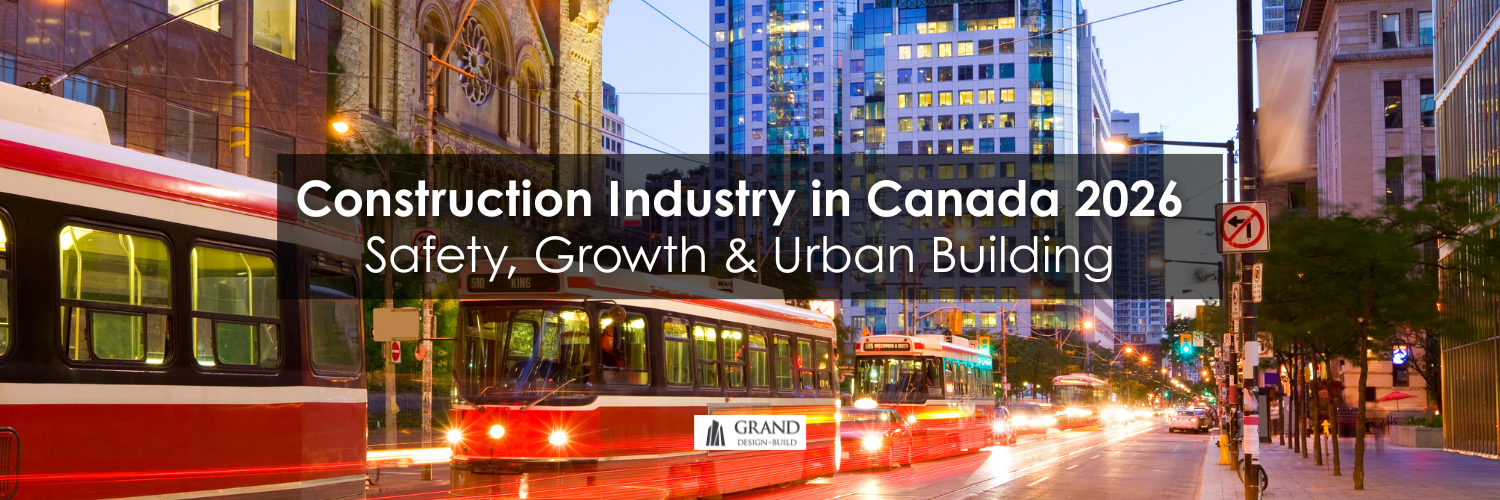
In dense urban areas, construction activity often overlaps with busy streets, sidewalks, and transit routes. Poorly managed sites can lead to blocked sightlines, unsafe detours, or vehicle-related incidents.
When accidents occur near or around construction zones, they don’t just affect schedules and budgets. They can have long-term legal and personal consequences. In many cases, individuals involved in vehicle-related incidents may need guidance from a Motor Vehicle accident lawyer in Toronto to understand liability, insurance claims, and their legal options, particularly when construction activity plays a role.
This reality highlights why professional builders must treat safety, signage, traffic control, and compliance as non-negotiable parts of every project.
The Builder’s Responsibility Goes Beyond the Structure
Modern construction is no longer just about putting materials together. It’s about managing risk, protecting the public, and coordinating with municipalities, inspectors, and surrounding communities.
Responsible construction companies focus on:
- Clear site access and vehicle movement planning
- Proper fencing, hoarding, and safety signage
- Compliance with municipal and provincial safety standards
- Coordinating deliveries to reduce traffic disruption
- Maintaining clean, organized, and visible work zones
These practices help protect workers and the public while reducing the likelihood of disputes, delays, or legal complications.
Why Professional Planning Matters More Than Ever
As regulations tighten and cities become more congested, experienced builders play a critical role in keeping projects compliant and communities safe. Professional construction firms understand that one overlooked detail can have ripple effects, from project shutdowns to legal exposure.
For homeowners, choosing an experienced design-build firm means more than quality finishes. It means working with a team that understands zoning, permits, inspections, and safety responsibilities from day one.
The Future of Construction in Canada
Looking ahead, Canada’s construction industry will continue to evolve. Sustainable materials, smarter planning tools, and higher accountability standards will define the next phase of growth.
Companies that succeed will be those that combine craftsmanship with responsibility, delivering projects that respect not only the client’s investment but also the surrounding community.