Building a custom home in Ontario involves a structured, multi-stage process that includes planning, design, permits, approvals, construction, inspections, and final occupancy. While timelines vary, most custom homes take 10–18 months from concept to completion depending on complexity, approvals, and weather conditions.
This guide explains each step clearly so homeowners know what to expect before starting a custom home project.
Phase 1: Planning & Feasibility
This is where your project is evaluated for practicality, cost, and compliance before any drawings are created.
This phase includes:
- defining your needs, lifestyle requirements, and layout goals
- establishing a realistic construction budget
- reviewing zoning bylaws and property setbacks
- confirming utility access (water, sewer, hydro, gas)
- assessing site conditions such as slope or soil quality
A builder or design-build firm usually performs a feasibility assessment to confirm your desired home can legally and safely be built on your lot. Early planning helps prevent redesign costs and delays later.
Phase 2: Design & Engineering
Once feasibility is confirmed, your home is professionally designed and engineered.
This stage typically involves:
- architectural floor plans and elevations
- structural engineering plans
- HVAC and mechanical layouts
- energy efficiency calculations
- exterior material selections
- preliminary interior layouts
These drawings must comply with the Ontario Building Code and local zoning requirements. Homeowners work closely with designers and builders to refine layouts, materials, and specifications before permit submission.
If you are still at this step and figuring out the designs for your home, we can help you create custom designs.
Phase 3: Permits & Municipal Approvals
Before construction can begin, your plans must be approved by your local municipality.
Common approvals required:
- building permit
- zoning review
- grading and drainage approval
- demolition permit (if replacing an existing structure)
- conservation authority approval (if near protected land or water)
Permit timelines vary by city but generally range from 2–12 weeks. Delays usually occur if drawings require revisions or if additional reports are requested by the municipality.
Phase 4: Construction
This is the longest and most visible phase, where your home is physically built. Construction is completed in structured stages, each requiring inspections.
Typical sequence:
Site Preparation
- demolition (if required)
- excavation
- foundation layout
Structural Work
- footings and foundation walls
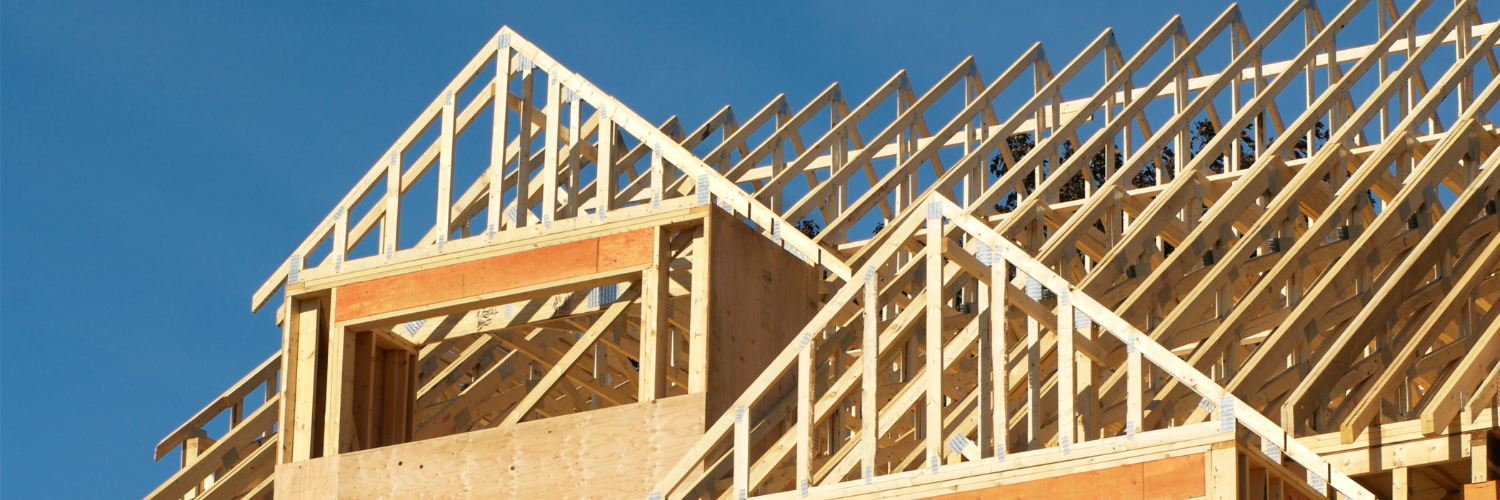
- framing (walls, floors, roof)
- windows and exterior doors
Mechanical Installation
- plumbing
- electrical
- HVAC systems
- gas lines
Interior & Exterior Finishes
- insulation and drywall
- flooring and cabinetry
- trim and painting
- siding, masonry, or exterior cladding
- driveway and landscaping
Municipal inspectors visit at key stages to ensure compliance with building codes and safety standards.
Want to start building your custom home? Get a free consultation
Phase 5: Final Inspection & Handover
Before move-in, the home must pass final inspections confirming that it meets all safety, structural, and municipal requirements.
At this stage you receive: Occupancy Permit
Your builder will also provide:
- final walkthrough and deficiency review
- warranty documentation
- appliance manuals and system instructions
- maintenance guidelines
Any outstanding items are completed after occupancy if needed.
Typical Timeline Overview
|
Stage
|
Average Duration
|
|
Planning & Design
|
1–3 months
|
|
Permits
|
1–3 months
|
|
Construction
|
8–14 months
|
Key Factors That Affect Timeline & Cost
Several variables can impact how long your project takes and how much it costs:
- size and complexity of the home
- material selections
- weather conditions
- municipality approval speed
- structural requirements
- customization level
Common Mistakes to Avoid
Homeowners should avoid:
- starting design before confirming budget
- hiring lowest-bid contractor
- skipping soil tests
- changing design mid-construction
- not reviewing contract details
Planning carefully at the beginning saves the most money.
Frequently Asked Questions
Q. Do I need permits to build a custom home in Ontario?
- Yes. A building permit is required before construction begins, and inspections occur throughout the project.
Q. Can I design my own custom home?
- You can create concepts, but municipalities require professional drawings prepared by qualified designers or architects.
Q. Is building cheaper than buying?
- In many Ontario markets, building can be comparable or slightly higher upfront but offers:
- better efficiency
- modern systems
- customization
- lower maintenance costs
Q. What is the hardest part of building a custom home?
- The most complex stage is typically permits and approvals, because timelines depend on municipal review, not the builder. But we help you secure permits and get approvals if you have not done so yet.
Building a custom home in Ontario is a structured process that moves from planning and design through approvals, construction, and final inspection. Working with an experienced builder ensures each phase is handled correctly, timelines stay on track, and your home meets all building code and safety requirements.