What Homeowners Should Know About Demolishing for Tear-Down, Renovation and Additions
Demolition Toronto Permit: Home Tear-Down, Renovation & Addition
- how to apply Toronto building permit, building permit Toronto, demolition toronto permit, toronto demolition
- |
- January 9, 2026
What Homeowners Should Know About Demolishing for Tear-Down, Renovation and Additions
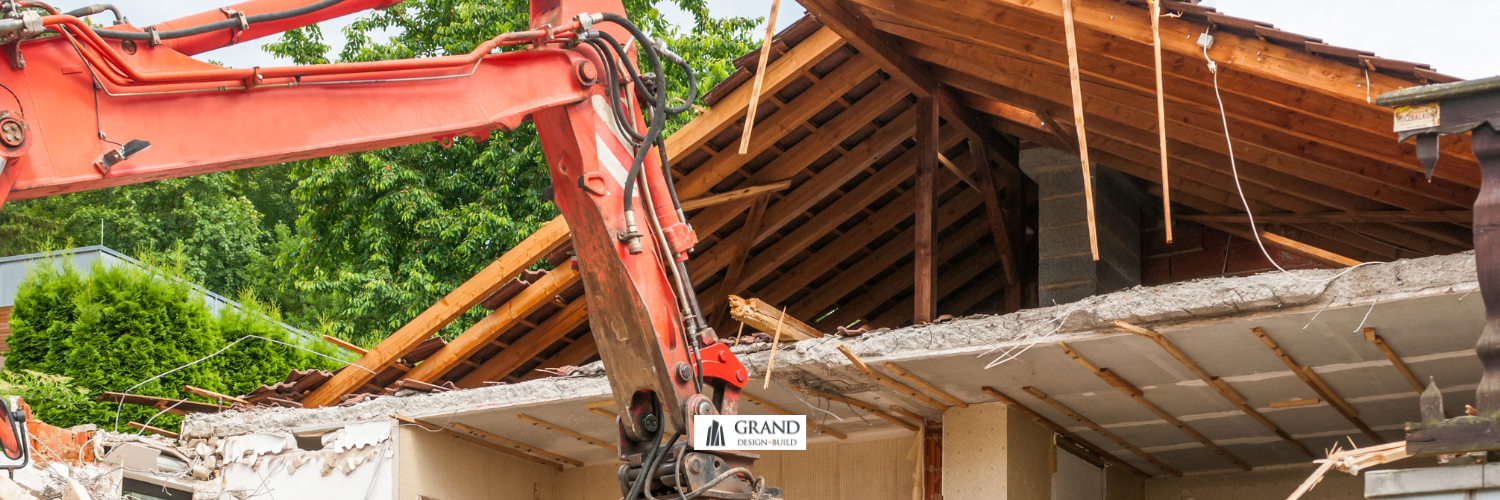
Demolition is one of the earliest and most misunderstood phases of a construction project. Whether you’re rebuilding a new home, opening up an existing layout, or preparing for a home addition, demolition sets the stage for everything that comes after, framing, mechanicals, inspections, and finishes.
In Toronto, demolition also comes with permit requirements, safety protocols, environmental rules, and coordination with utilities, the City, and trades.
1. Full Home Demolition (Tear-Down & Rebuild)
Full demolition means removing the entire existing structure down to the foundation or in many cases, including the foundation itself if the new build requires re-engineering.
Common reasons homeowners choose a full tear-down:
✔ Aging home with structural issues
✔ Modern energy standards not met (envelope upgrade impossible)
✔ Rebuilding larger under current zoning
✔ Higher long-term ROI vs renovating
✔ Custom home build opportunity
This is the path chosen for many older Toronto bungalows, wartime homes, and small detached homes in neighbourhoods like Ledbury Park, East York, Scarborough, Bedford Park, and parts of Etobicoke.
Permit Requirements
In Toronto, full residential demolition requires a Demolition Permit and often a simultaneous Building Permit for the replacement home:
🔗 Residential Demolition Permit – With Replacement Building
https://www.toronto.ca/services-payments/building-construction/building-permit/before-you-apply-for-a-building-permit/building-permit-application-guides/renovation-and-new-house-guides/residential-demolition-permit-with-replacement-building/
The City checks for:
-
Heritage property status
-
Tree protection zones
-
Gas, hydro, water disconnections
-
Replacement dwelling plans
-
Waste disposal approach
2. Demolition for Home Renovation (Partial Structural / Interior)
Renovation demolition focuses on removing parts of the home to update or reconfigure it — not tearing down the entire structure.
Common renovation demolition scenarios:
✔ Removing load-bearing walls for open-concept layouts
✔ Removing old kitchens/bathrooms
✔ Stripping back to studs for full renovation
✔ Removing outdated finishes, insulation, wiring
✔ Floor removal (hardwood, tile, carpet)
✔ Basement underpin prep
✔ Removing chimney stacks or fireplaces
Permit Requirements
Contrary to belief, partial demolition often requires a permit, especially if any structural element is altered:
-
Load-bearing walls
-
Roof framing
-
Structural beams or joists
-
Foundation modifications
-
Stair opening modifications
The relevant rule is under the Building Code:
🔗 When Do I Need a Building Permit?
https://www.toronto.ca/services-payments/building-construction/building-permit/before-you-apply-for-a-building-permit/when-do-i-need-a-building-permit/Interior non-structural demo (e.g., removing cabinets or flooring) usually does not require a permit, but homeowners frequently over-assume this.
Environmental Considerations
Older Toronto homes may contain:
-
Asbestos (vinyl tiles, insulation, plaster, duct wrap)
-
Lead paint
-
Knob and tube wiring
-
Mould
-
Vermiculite
Professional abatement may be required before demolition begins.
3. Demolition for Home Additions (Rear, Second Storey, Side)
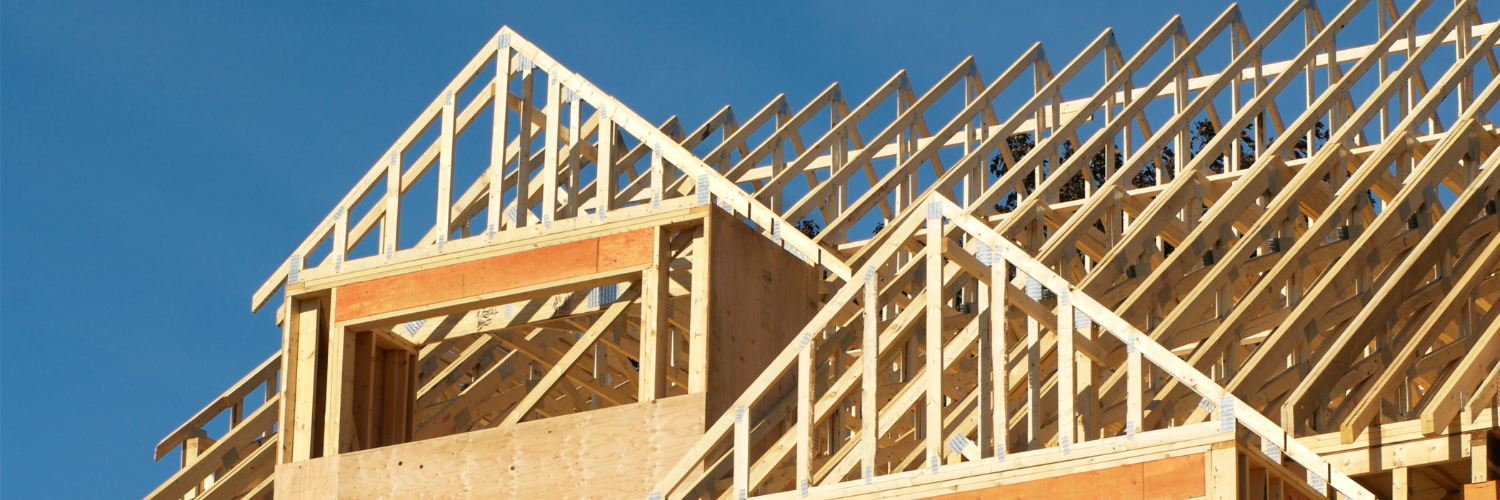
Demolition for additions is a hybrid category — you’re not tearing down the whole house, but you’re removing structural elements to extend the home.
Common types of additions in Toronto:
✔ Rear addition — most common
✔ Second-storey addition — “top-up” on bungalow
✔ Side addition — when zoning setbacks allow
✔ Front addition — rare but possible
✔ Underpin + basement addition — adds living area
Demolition scope typically includes:
-
Removing existing exterior walls
-
Removing roofing or roof trusses
-
Cutting and removing foundations/slabs
-
Removing decks/outbuildings in footprint
-
Removing interior structure where tied-in
Permit Requirements for Additions
All additions require a Building Permit which covers:
-
Structural demolition
-
Structural tie-in to existing home
-
New foundation work
-
Envelope and mechanical systems
City reference:
🔗 Building Permit Requirements – Additions
https://www.toronto.ca/services-payments/building-construction/building-permit/before-you-apply-for-a-building-permit/
If trees are impacted within protected distances, a Tree Protection Permit may also be required:
🔗 Tree & Ravine Protection Permits
https://www.toronto.ca/services-payments/building-construction/tree-ravine-protection-permits/
4. Utilities & Disconnections
Before any demolition, utilities must be safely shut down or temporarily capped.
Depending on the scope:
-
Hydro (Toronto Hydro) — disconnect or temporary power
-
Gas (Enbridge) — disconnect or lock-off
-
Water (City of Toronto) — shut-off or temporary bypass
5. Heritage & Zone Considerations
Toronto has strict rules for:
✔ Heritage-designated homes
✔ Heritage conservation districts
✔ Neighbourhood character retention
✔ Lot coverage, FSI, and setbacks
Heritage approvals (when applicable):
🔗 https://www.toronto.ca/city-government/planning-development/heritage-preservation/
6. Waste Removal & Salvage
Modern demolition includes:
✔ Concrete/asphalt recycling
✔ Metal recycling
✔ Wood reuse
✔ Abatement waste containment
✔ Salvage of architectural items
Many Toronto homeowners now salvage:
-
Brick
-
Hardwood flooring
-
Kitchen cabinetry
-
Trimwork
-
Doors & hardware
7. Timelines
Typical timelines:
| Scope | Timeline |
|---|---|
| Full tear-down | 1–3 days (after permits) |
| Renovation demo | 3–10 days |
| Addition demo | 5–20 days |
| Permit approvals | 2–12+ weeks |
| Utility disconnection | 4–10 weeks |
Note: Permitting is usually longer than demolition itself.
8. Costs (High-Level)
Approximate ballpark ranges in Toronto:
| Scope | Cost Range |
|---|---|
| Full home demolition | $18,000 – $45,000+ |
| Renovation demo | $5,000 – $35,000+ |
| Addition demo | $8,000 – $60,000+ |
| Abatement (if required) | $3,000 – $25,000+ |
| Permit/Utility fees | $500 – $4,500+ |
Actual costs vary based on:
-
House size
-
Access
-
Waste volume
-
Hazardous materials
-
Foundation removal
-
Dump fees
-
Protection requirements
9. When Homeowners Choose Each Path
| Scenario | Best Option |
|---|---|
| Old bungalow, want more space | Tear-down + custom build |
| Same footprint, better interior | Renovation demo |
| Need more floor area | Addition demo |
| Raising ceiling / adding height | Second-storey addition |
| Want modern floor plan | Renovation + structural demo |
Demolition isn’t just destruction, it’s a highly coordinated part of construction involving:
✔ Permits
✔ Engineering
✔ Safety
✔ Environmental factors
✔ Utilities
✔ Inspections
✔ Logistics
✔ Planning
Choosing the right demolition scope ensures the next phase (framing, mechanicals, finishing) runs smoothly and legally.
If you're looking to demolish, build, renovate or add, consult with Grand Design Build.
From the blog
Lorem ipsum dolor sit amet consectetur, adipisicing elit. Ipsa libero labore natus atque, ducimus sed.
custom home builders toronto, expensive homes, canadian homes, luxury homes
Most Expensive Homes in Canada | Record-Breaking Luxury Estates & Prices
Canada is home to some of the most exclusive and expensive residential properties in the world. From Vancouver’s waterfront mansions to Toronto’s Bridle Path estates and Oakville’s private lakefront compounds, these homes are...