
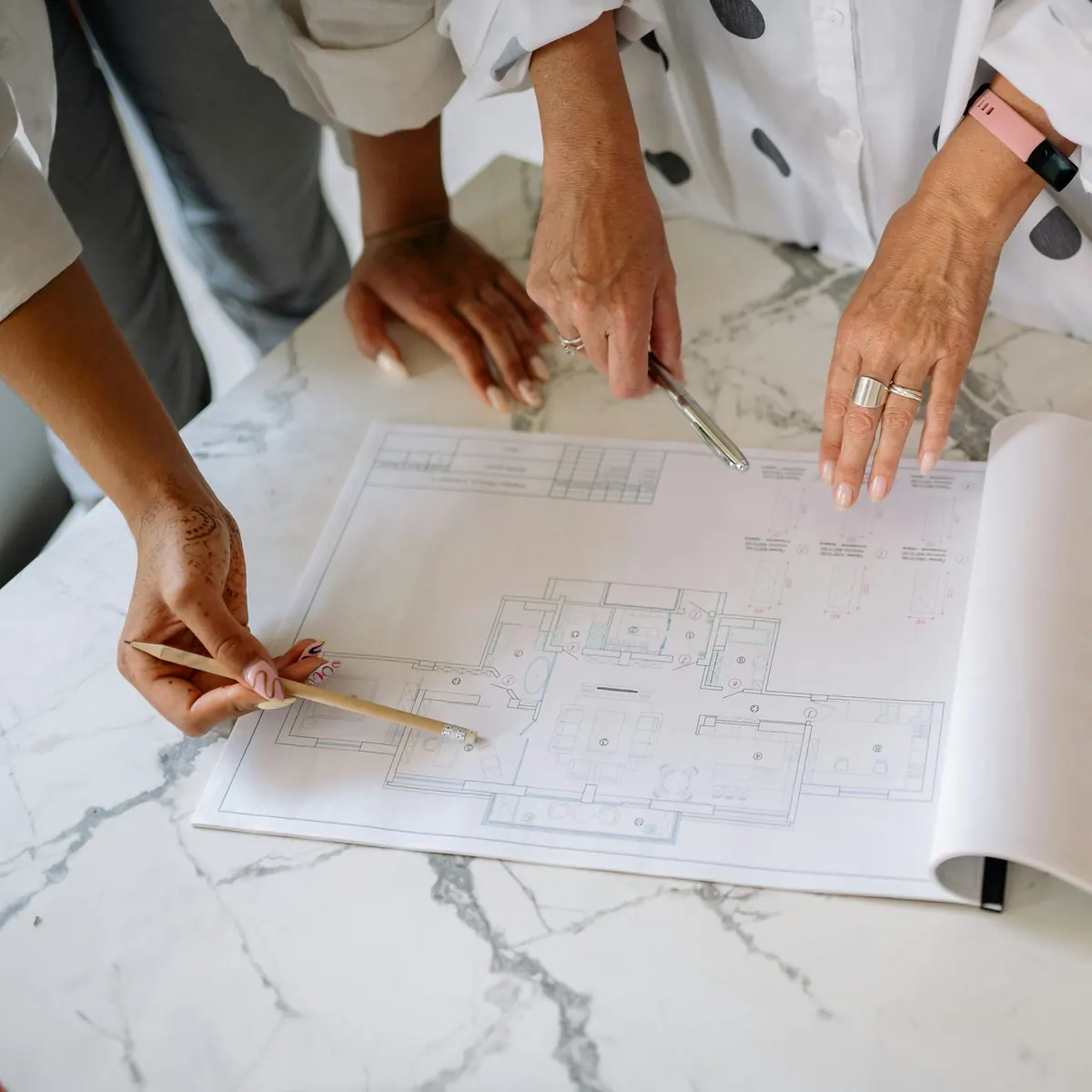
Building a home is a chance to create a space that reflects your style and daily needs. A clear plan helps first time builders understand each stage.
Each phase of custom home building benefits from careful planning. Set a realistic budget, choose house plans that suit your lifestyle, and agree on the main decisions with your team.
This guide will provide essential tips for first time home builders. Let’s dive in and explore the process together.
Understanding the Home Building Process
Building a home from scratch involves several stages. Each stage demands attention and careful planning. Understanding these steps can make the process smoother.
The typical home building process starts with planning. This involves selecting a location and designing the house plans. Next, securing financing and obtaining necessary permits is crucial before construction begins.
Here’s a basic overview of the stages:
- Planning and Designing: Determine your needs and design your home accordingly.
- Permits and Approvals: Ensure all legal requirements are met.
- Foundation and Framing: Start building the structure.
- Utilities and Interiors: Install plumbing, electrical, and final finishes.
Keeping track of each stage is essential to stay on schedule and budget. Regular check ins with your contractor can help you monitor progress. Clear communication will resolve issues quickly.
Completing each stage step by step leads to a successful home build. Knowing what to expect reduces surprises and delays. Embrace the process with a clear understanding and attentive oversight.
Setting a Realistic Budget
The first step in home building is setting a budget. A realistic budget helps avoid financial strain and helps identify project requirements and financial constraints. Begin by estimating the total costs, including land, construction, permits, and furnishings.
Unexpected expenses can arise, so it’s wise to include a contingency fund. This fund should be a percentage of your total budget, often suggested as 10-15%. It acts as a buffer for unforeseen costs.
Consider the following factors when setting your budget:
- Land Purchase: Acquiring the land where you’ll build.
- Construction Costs: Materials and labor needed for building.
- Permits and Fees: Necessary legal approvals and documentation.
- Interior Finishing: Furniture, appliances, and decor.
By thoroughly planning your budget, you can reduce stress and make informed decisions throughout the building process. Monitor expenditure against the budget and review changes as they arise.
Choosing the Right House Plans
Selecting house plans is a critical step in home building. Your plans shape your future living space, influencing comfort and functionality. Spend ample time deciding what suits your needs and lifestyle best.
Start by identifying your priorities. Consider the number of bedrooms, bathrooms, and any special features like a home office or a playroom. Think about both current requirements and future needs, such as space for a growing family.
When reviewing house plans, keep these essentials in mind:
- Layout: Ensure a logical flow between spaces.
- Size: Match the size to your family’s needs.
- Style: Choose a design that appeals to you.
- Adaptability: Consider future changes or expansions.
Consulting with an architect can also provide valuable insight and help assess whether the plans suit the site, budget and requirements. A well chosen plan sets a strong foundation for a successful build.
Selecting Reliable Contractors and Suppliers
Choose contractors and suppliers with relevant experience, clear proposals, and references from comparable projects.
Start by seeking recommendations from friends and family. Their experiences can guide you to reliable professionals. Additionally, check online reviews for unbiased opinions. This way, you get a broader perspective on potential contractors.
When narrowing down your choices, consider these key factors:
- Experience: Look for a proven track record.
- References: Ask for and check past client references.
- License and Insurance: Ensure they are certified and insured.
Finally, always get multiple quotes. Comparing offers will help you find the best value without compromising quality. Take your time and choose wisely to prevent headaches later on.
It’s also worth understanding how your contractor structures their pricing. Our breakdown of fixed price vs. cost plus contracts explains why the contract type matters as much as the contractor themselves.
Navigating Permits and Regulations
Securing the necessary permits and understanding regulations is crucial in home building. This process helps identify the approvals and requirements that apply to your construction project. Without the right permits, your project may face costly delays or fines.
Begin by researching local building codes and zoning laws. Speak with your local building department for guidance. They can provide insights on what is required for your specific build. Ensure you comply with these rules from the start to prevent setbacks.
Here’s what to keep in mind:
- Local Building Codes: Ensure alignment with these standards.
- Permit Requirements: Identify which permits are needed.
- Zoning Laws: Check if your plans align with local zoning.
By thoroughly understanding these aspects, you’ll pave the way for a smoother construction process.
For first time builders, navigating design and permits in Toronto is often the single most underestimated part of the timeline.
Prioritizing Home Improvement and Upgrades
When planning your new home, consider future home improvement projects and upgrades. Thinking ahead can save time and money in the long run. Prioritize areas that enhance comfort and efficiency.
Start with energy efficient systems. Invest in high quality windows and insulation to reduce utility costs. Modern appliances and LED lighting can also contribute to energy savings. These improvements not only benefit your wallet but also the environment.
Consider these upgrades:
- Energy Efficiency: Solar panels, insulation, and efficient appliances.
- Smart Home Technology: Automated lighting and security systems.
- Future Expansion: Plan for additional rooms or outdoor spaces.
By planning wisely, your home will be efficient and cater to future needs, making it a better investment.
Planning Priorities for Home Building
Take time to review materials, drawings, and costs with your builder. Keep decisions and approvals in writing.
- Detailed planning: Review the layout and specifications before work begins.
- Complete budgeting: Include a contingency for costs identified during construction.
- Relevant experience: Check contractor references and comparable completed projects.
Regular communication helps you make informed decisions throughout the build.
Final Thoughts for First Time Home Builders
Building a home can be daunting but also rewarding. It’s essential to prepare by researching and planning thoroughly. This groundwork sets a strong foundation for the project.
Seek advice from experienced builders and stay informed throughout the process. Discuss adjustments as needed and document the agreed design and scope. Patience and diligence will go a long way.
The decisions made today impact the future enjoyment of your new home. Embrace the learning curve as you transform your vision into reality. With careful execution, you’ll create a space that fits your lifestyle and needs.
At Grand Design Build, we manage the full process, design, permits, construction, and finishing, so first time builders aren’t navigating it alone. See how we approach custom home construction in Toronto
Related reading
- Custom Home Building vs Buying a House in Toronto
- Cost to Build a House in Toronto: Full Breakdown
- What Is the Process of Building a Custom Home in Ontario?
Planning work on your property? Contact us for a feasibility study.
Get an itemized quote