
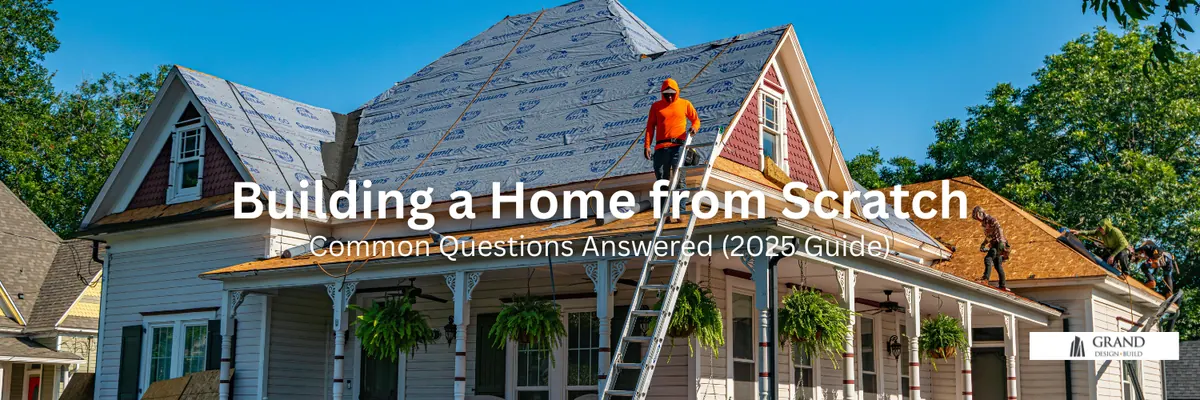
Building your own home gives you the opportunity to create a space around your needs. Whether you’re planning a custom home, a modest starter house, or a long term family property, understanding the process helps you plan with confidence. Below, we answer common questions about new home construction.
1. How Do You Plan a Complete Budget for a New Home?
A complete budget includes materials and labour, permits, utility connections, design changes, and a contingency for site conditions. Ask your builder to explain each category before construction begins.
Tip: Add at least 10 to 15% to your total budget for contingencies. Work with a professional builder or project manager who can provide a detailed cost breakdown early on.
2. What Are Your Thoughts on Building a Home from Scratch?
Building a home from scratch allows you to control every detail, from layout and energy efficiency to materials and finishes. However, it requires patience, good planning, and the right team. The process is often longer and more expensive than buying an existing house, but the result is a space tailored exactly to your needs.
3. What Is the Cost of Capital for a Typical New Home Builder?
The cost of capital depends on location, creditworthiness, and market conditions. In Canada and the U.S., construction loans typically range from 6 to 9% interest, and most lenders require 20 to 25% equity or land value as security. Builders also factor in carrying costs like land taxes, insurance, and interest payments into the final price.
4. Have You Ever Built a House? What Was It Like?
Building a home lets you see your plans take shape step by step. Organise decisions about framing, finishes, and fixtures with your team, and allow time for weather, inspections, and material availability.
5. How Can I as a Single Individual Build a Home?
Building a home as a single person is possible with proper planning.
- Start Small: Consider a smaller footprint or phased build to keep costs manageable.
- Financing: Prequalify for a construction mortgage early.
- Support: Hire a reliable general contractor or project manager to oversee trades and inspections.
- Time: Be realistic about your availability to make decisions and manage site visits.
6. How Do You Choose a House Builder?
Trust depends on vetting. The best approach is to choose licensed, insured builders with solid references and a portfolio of completed work. Look for builders who are members of reputable associations (e.g., Home Builders’ Association) and who offer warranties and transparent contracts.
7. How Does the Home Building Process Work?
The process generally follows these steps:
- Planning & Design: Secure land, design plans, and obtain permits.
- Site Prep & Foundation: Clear land, excavate, pour footings and foundation walls.
- Framing: Build structural shell: floors, walls, roof.
- Rough ins: Electrical, plumbing, HVAC installations.
- Insulation & Drywall: Energy efficiency upgrades, wall finishing.
- Interior Finishes: Flooring, cabinetry, fixtures, painting.
- Exterior Work: Siding, landscaping, driveways.
- Final Inspections & Handover: Obtain occupancy permit and move in.
8. What Are Best Tips for Construction of House?
- Hire Experienced Professionals: Architects, engineers, and builders help coordinate design and construction.
- Plan for Storage & Utility Access: Future proof your home by planning closets, attic access, and service panels.
- Invest in Energy Efficiency: Proper insulation, windows, and HVAC reduce long term costs.
- Communicate Frequently: Visit the site often, ask questions, and confirm details before changes are made.
9. Are You Likely to Save Money by Building Your Own Home?
If you manage the build yourself and act as your own general contractor, you can save 10 to 20% on labour markup. Include the time, permit responsibilities, scheduling, and contingency costs in that comparison. A professional builder can coordinate these parts of the project.
10. What’s the Best Way to Build a Home on a Piece of Land I Own?
- Survey the Land: Confirm boundaries, setbacks, and zoning restrictions.
- Soil & Grading Report: Ensure the land is suitable for construction.
- Select the Right Design: Match the home size and style to the lot and neighbourhood.
- Get Permits: Submit drawings to your city or municipality for approval.
- Hire Professionals: Builder, engineer, architect, and surveyor.
- Budget Wisely: Factor in site servicing (water, sewer, hydro) and contingencies.
Careful planning, experienced professionals, and a clear budget support a rewarding home building experience. A structured process helps you make informed decisions from the first design to the final handover.
Related reading
- Home Building Tips: Guide for First Time Builders
- Custom Home Building vs Buying a House in Toronto
- Cost to Build a House in Toronto: Full Breakdown
Planning work on your property? Contact us for a feasibility study.
Get an itemized quote